
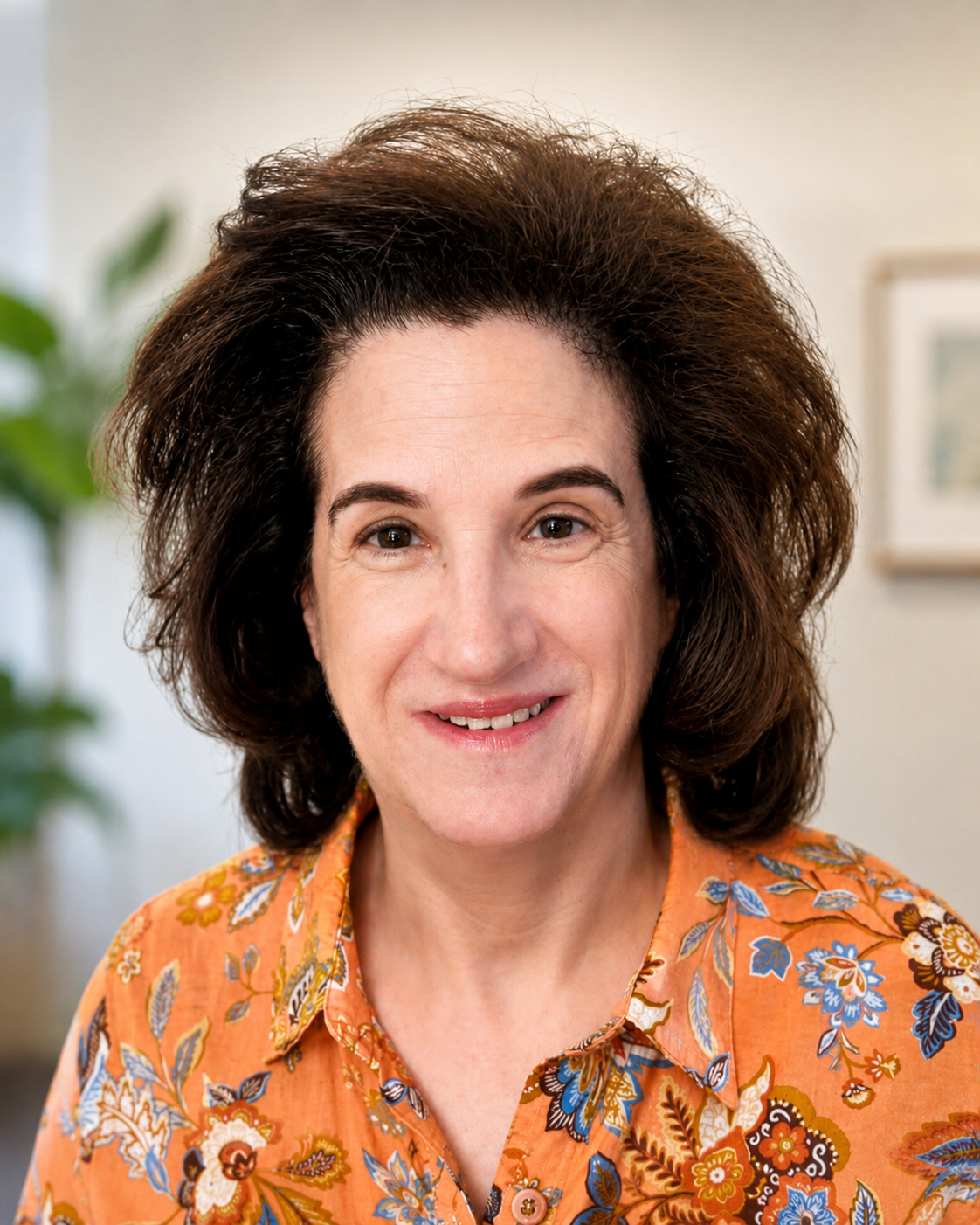
Naomi Jolkovsky
I am a Postdoctoral Fellow Psychologist who earned my Psy.D. in School-Child Clinical Psychology from Yeshiva University and provide virtual services across New York State. With nearly 20 years of experience across group practice, school-based, inpatient, outpatient, and volunteer settings, I work with young children, adolescents, young adults, and families through a collaborative, affirming, and individualized approach.
I provide therapy, counseling, psychoeducational evaluations, and comprehensive neuropsychological assessments for individuals navigating anxiety, trauma, mood-related challenges, executive functioning differences, school stressors, burnout, grief, relationship difficulties, eating disorders, medically complex presentations, and neurodevelopmental differences. I work extensively with autistic and otherwise neurodivergent folx, including ADHDers, PDA profiles, twice-exceptional (2e) individuals, gifted learners, disabled clients, LGBTQIA+ clients, BIPOC clients, late-diagnosed autistic adults, religious trauma survivors, and caregivers seeking deeper understanding and support.
My approach is strengths-based, neuroaffirming, trauma-informed, anti-oppressive, culturally responsive, and grounded in the neurodiversity paradigm. I believe neurodevelopmental differences reflect predisposition rather than predetermination, and I value helping individuals better understand how their cognitive, emotional, sensory, attentional, relational, and lived experiences interact within everyday life, relationships, school, and work environments. I practice through a lens that recognizes the impact of minority stress, disability justice, systemic inequities, chronic stress, and environmental factors on emotional wellbeing, identity development, and access to care.
In both therapy and assessment, I value understanding the full picture of a person rather than viewing challenges through a single diagnosis in isolation. My evaluations thoughtfully examine cognitive, academic, executive functioning, attentional, sensory, adaptive, emotional, and social-emotional profiles to better understand how areas of strength, processing style, support needs, and lived experiences influence daily functioning across settings. Evaluations may support diagnostic clarification related to autism, ADHD, learning differences, giftedness/twice-